Your cart is empty
Already have an account? Log in to check out faster.
Already have an account? Log in to check out faster.

Babies and children experience fever more often than adults. It's important to know: Fever is not an illness, but a natural defense mechanism of the body. It shows that the immune system is working and is often a sign of strength, not weakness.
Most of the time, fever is harmless. The crucial thing is to observe it correctly and to know when medical help is needed.
• Fever: from 38.5 °C (for babies <6 months, already from 38 °C)
• High fever: from 39 °C
• Very high fever: over 41 °C (rare)
👉Tip: Often, it's enough to remove a layer of clothing or take away a blanket. A high temperature reading doesn't always mean fever; fluctuations are often normal in children.
Fever helps the body fight viruses and bacteria.
It can become problematic if the temperature rises very quickly (e.g., 1 °C per hour), as this can lead to febrile seizures. In the event of a febrile seizure, contact your doctor!
In otherwise healthy children, fever is usually no reason to panic; it shows that their immune system is working. It is important to monitor its course, whether it rises, remains stable, or falls again.
Not every child likes the thermometer, and constant measuring adds extra stress.
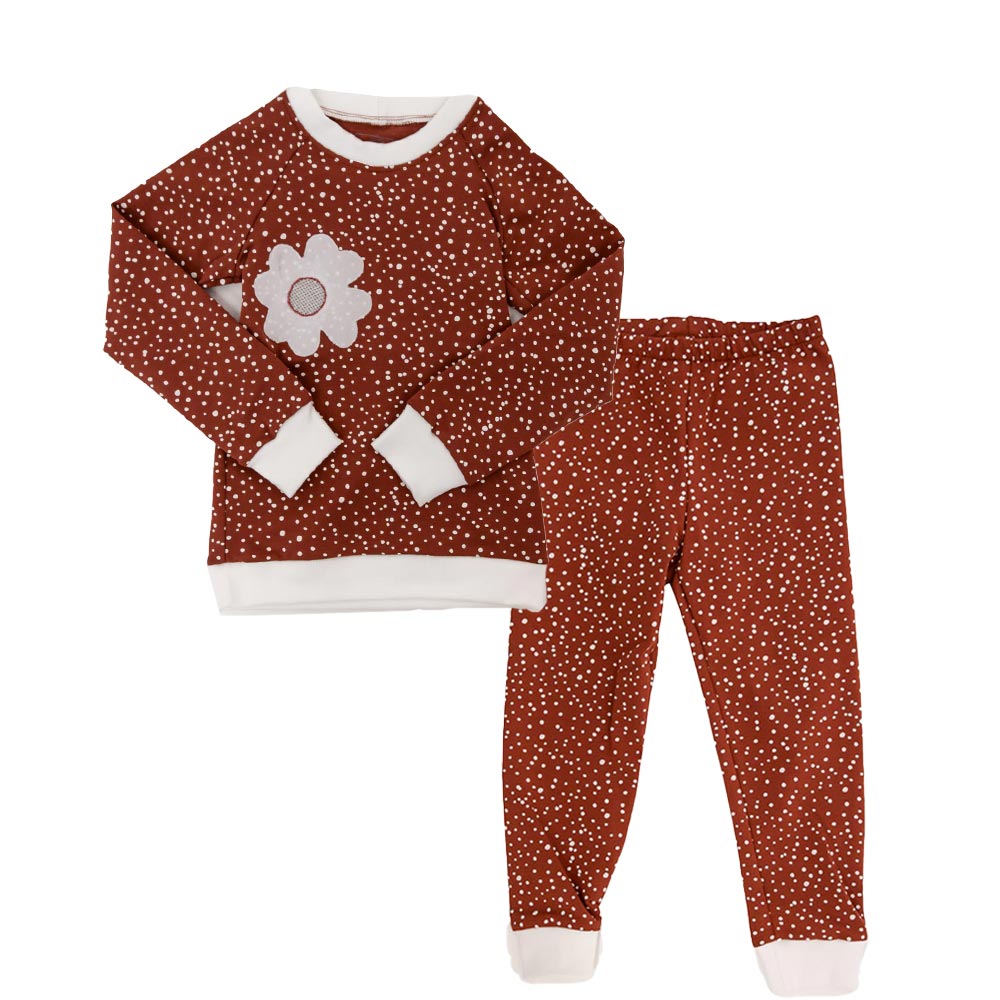
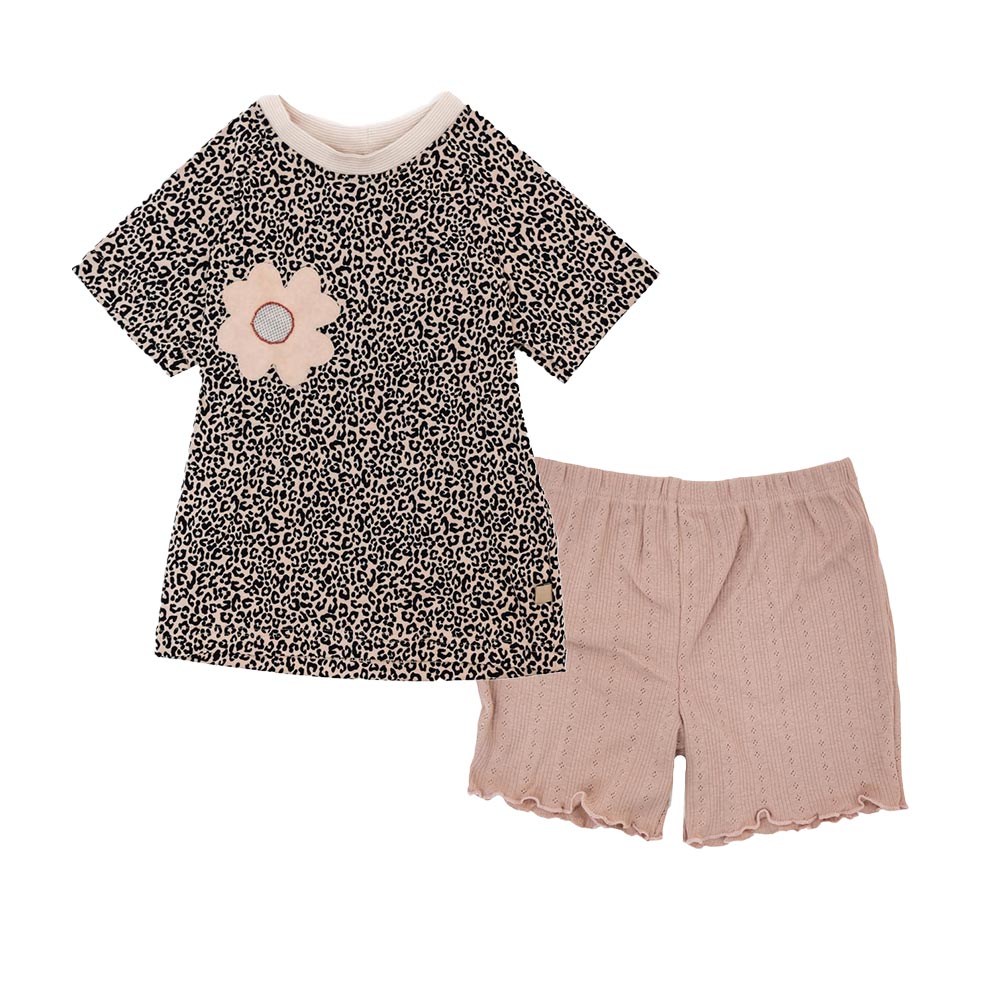
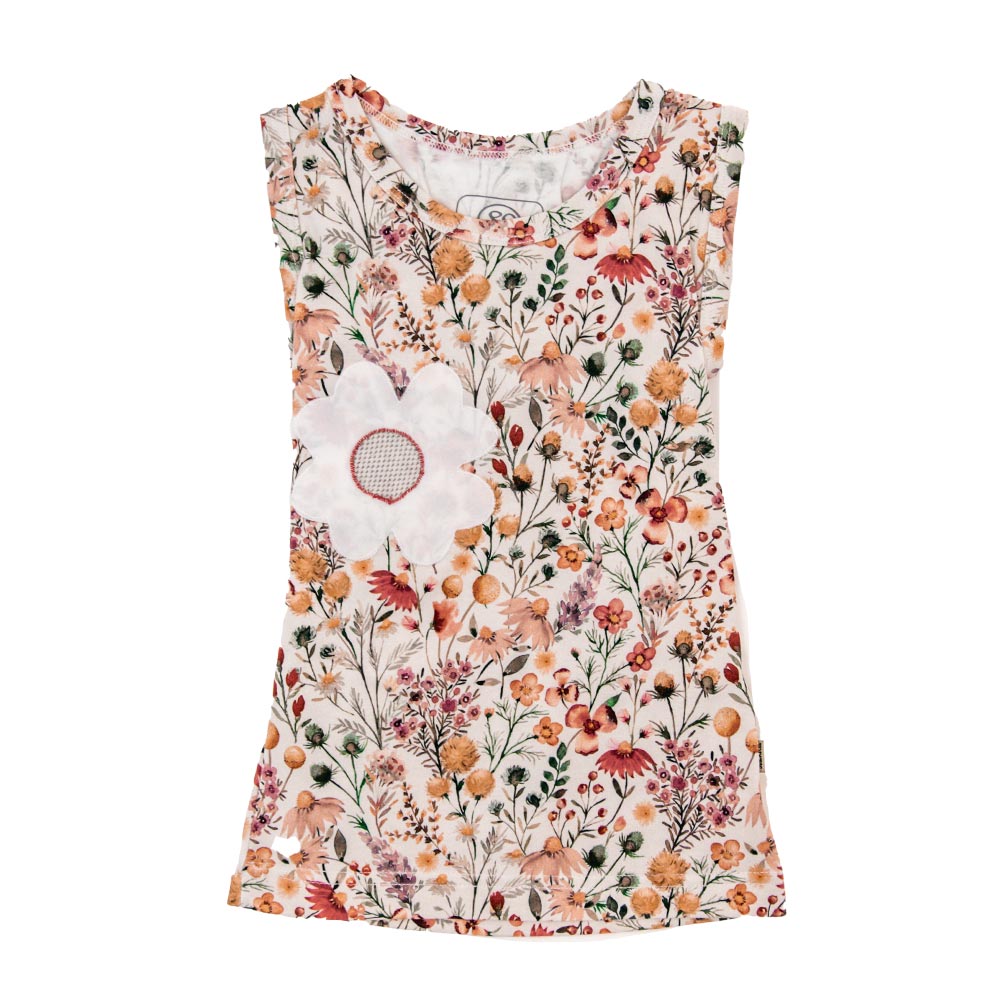
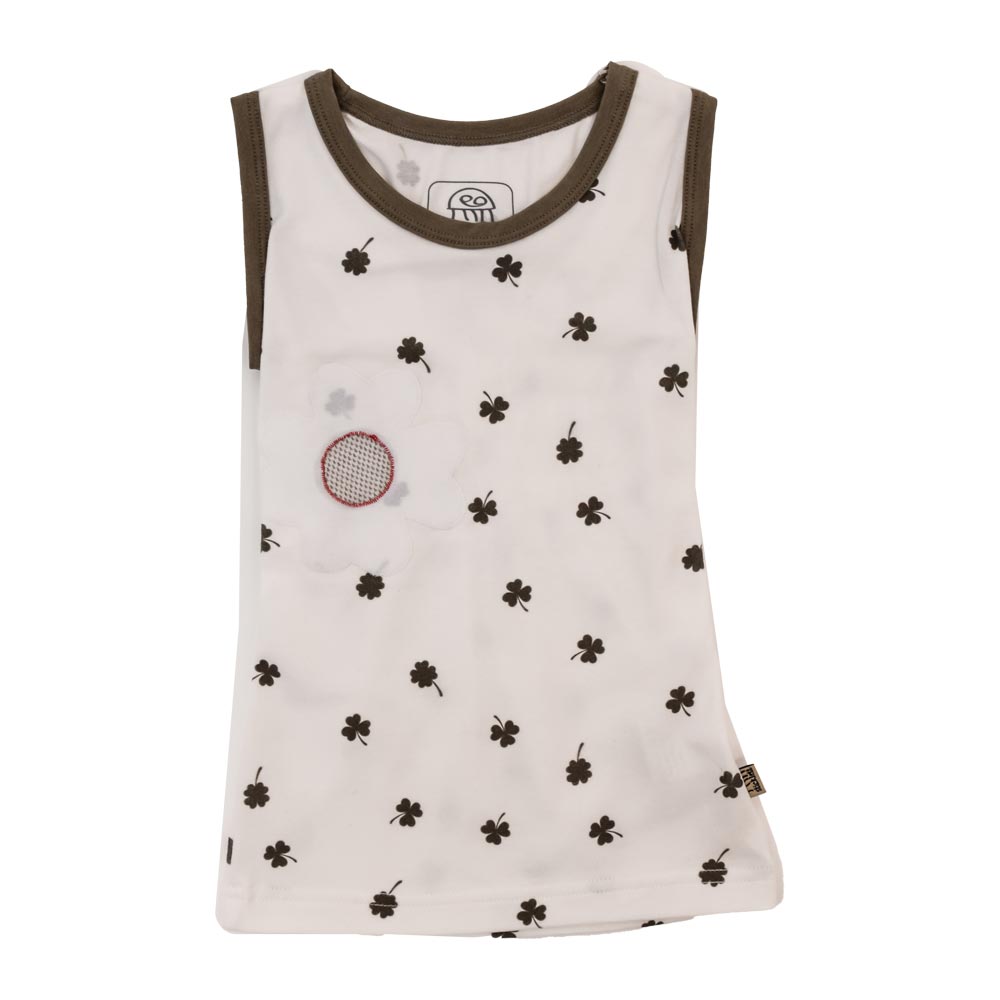
This is where MARY by sticklett, the Vital Sensor System in ladybug design, helps:
• regularly measures temperature comfortably on the pajamas.
• notifies you when a threshold is reached or during a rapid rise
• shows you temperature trends in the app.
This way, you don't have to constantly wake your child at night, yet you stay informed and relaxed.

• Baby under 6 months with fever over 38°C
• Fever >2–3 days without improvement
• Very shrill, persistent crying
• Severe accompanying symptoms (abdominal pain, vomiting, diarrhea)
• Child appears apathetic, not drinking, or extremely weak
• After a febrile seizure

✔ Stay calm & observe
✔ dress in thin clothing made of breathable cotton
✔ if at all, use only a light cotton cloth for covering
✔ avoid heat buildup on the body
✔ offer plenty of fluids
✔ ventilate the room regularly
✔ medications only after consulting a doctor (often only necessary from 38.5–39 °C)
With MARY by sticklett, you always have the temperature and its trend—whether it remains stable, rises, or falls—in view.
The stored trends in the MARY by sticklett App can also serve as a basis for discussion with midwives or doctors if needed, supporting a joint assessment.